Infinitevania Keyboard and Controller Setup
Bind for comfort, then practice the tech the bosses demand.
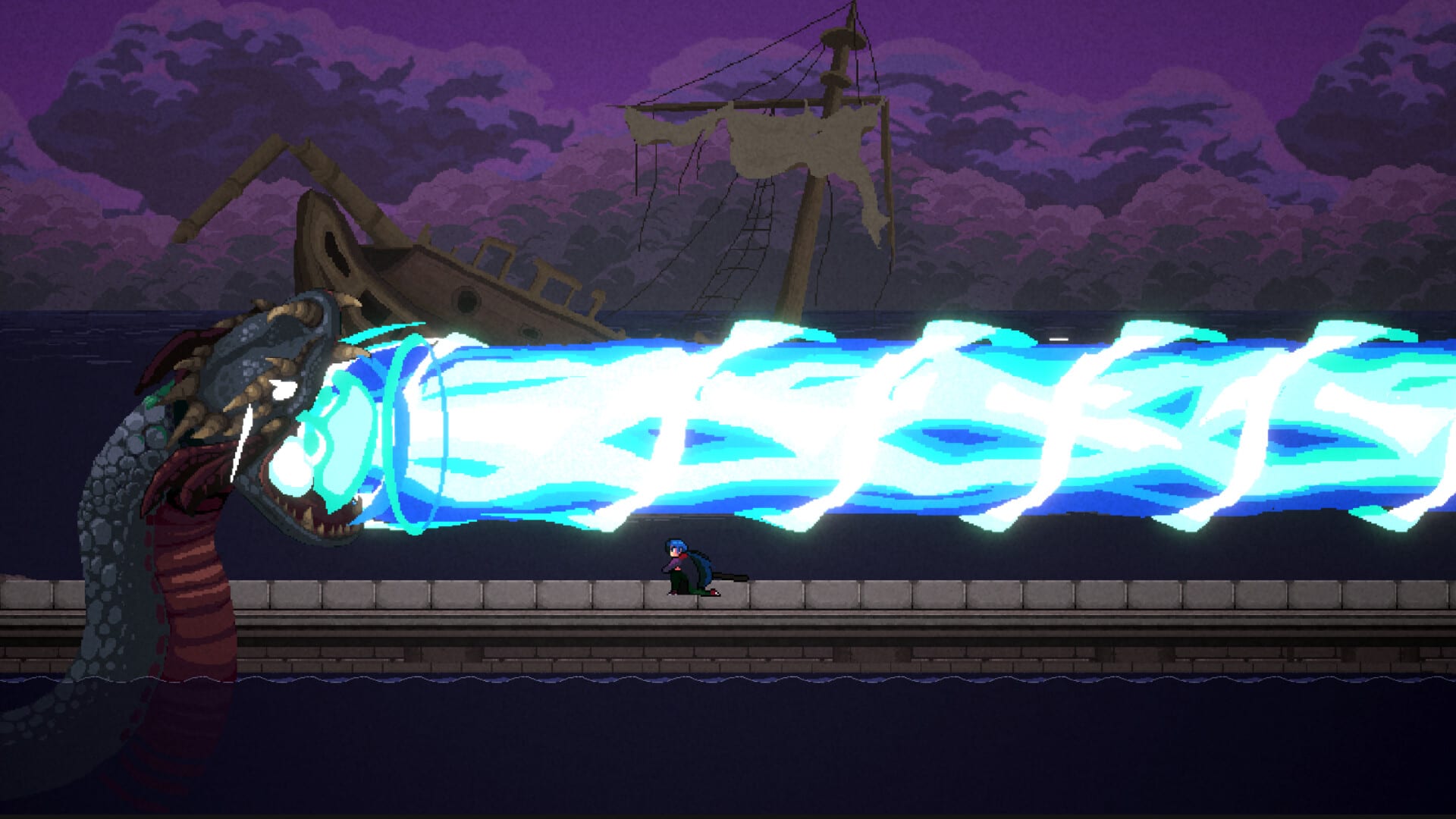
Infinitevania’s combat readability depends on input comfort. This page helps keyboard and controller players set up for success.
Controller recommendations
Place jump and dash on easily chorded buttons. You will dash out of combos constantly. Keep attack on a quick face button. If your pad supports hair triggers or rear buttons, consider binding a spirit action there for mid-fight swaps.
Calibrate deadzones if you over-input diagonals during precise platforming. Colorblind-friendly UI options mentioned in reviews are worth enabling if you need them.
Keyboard recommendations
Use a cluster that lets you move with one hand and attack/dash/jump with the other without stretching. Many players prefer dash on a modifier-adjacent key so panic escapes stay reliable. Avoid binding critical actions to distant keys you only hit while looking down.
Practice routine (ten minutes)
- Back dash twenty times in a safe room (achievement-adjacent practice).
- Pogo on a forgiving enemy or object.
- Input a short attack string into dash cancel.
- Open the spirit menu until the motion is boring.
Accessibility mindset
Infinitevania’s team has signaled remapping and readability care. If a default layout hurts your hands, remap early—do not “get used to pain.” Pair good binds with combat basics drills.
After setup
Jump into getting started, free Nilbog, and attempt Tenroh only when inputs feel automatic. The gameplay video above shows the pace your binds must support.
Good controls do not beat bosses for you—but bad controls make every boss feel unfair.
Practical habits for long campaigns
Infinitevania’s campaign length rewards players who maintain notes. You do not need a wiki of your own—just a list of locked doors, spirit goals, and whether you are aiming at Ending 1, Ending 2, or full Core completion. Update that list when you free Nilbog, unlock fast travel, or clear a headline boss.
When patches arrive, re-verify boss timing and shop values on Steam news, then return to the relevant wiki pages. Indie balance tweaks can change how greedy you can be in punish windows. The review and updates hubs exist to keep expectations honest: this is a firm, stylish metroidvania, not a power-fantasy autopilot.
Finally, protect your enjoyment. If a puzzle loop or trap gauntlet spikes your stress, switch to a collectible route or a build-crafting session. The game’s systems are interlocking on purpose; there is almost always another productive way to grow stronger without slamming your head on the same door.
Session planning that actually sticks
A strong Infinitevania session has three beats: a shop or spirit adjustment, a focused exploration loop, and one intentional boss or arena attempt. Players who only sprint the critical path burn out on retries; players who only vacuum side rooms stall on story gates. Alternate every thirty to forty minutes.
Keep a short written list of unfinished rooms. When a new absorb lands, do not immediately dive into the newest biome—spend a lap revisiting two older hubs. That habit alone recovers secret walls, diaries, and Ancient Heart Fragments you would otherwise discover in a miserable endgame cleanup.
Linking systems instead of grinding blindly
Souls, spirits, and map percentage are not separate games. Souls fund Nilbog. Nilbog funds survivability. Survivability funds learning. Learning funds boss clears. Boss clears fund absorbs and shortcuts. Shortcuts fund collectibles. If any link in that chain is ignored, the next boss feels artificially hard.
Use the wiki hubs as a circuit: after a death streak, open combat basics or the relevant boss page; after a successful clear, open map and items pages; before the finale, open endings explained and the completion checklist. Treat guides as tools, not novels you must finish in one sitting.
Controller, keyboard, and comfort
Infinitevania’s combat demands clean dash timing. If your hands tense up, remapping is not “cheating”—it is accessibility. Confirm jump and dash sit on comfortable inputs, then practice twenty back dashes and a short pogo chain in a safe room. Most “impossible” early rooms become readable once inputs stop fighting you.
What “ready” means before a boss door
You are ready when you can leave a dense trash room without panic healing, when you have visited Nilbog at least once since your last major unlock, and when you know which spirit role you are missing. You are not ready merely because you reached the door. Infinitevania respects preparation more than bravado.
Community footage versus wiki text
Trailers and no-commentary walkthroughs show pacing and arena shapes. Wiki pages name systems, achievements, and decision points. Use both: watch for visual memory, read for checklist clarity. Never invent mechanics that footage does not support—stick to Steam-confirmed systems like spirits, Nilbog, secret walls, dual endings, and the listed bosses.
Closing mindset
Infinitevania is a Brazilian metroidvania with sharp teeth and a generous absorb fantasy. Play curious, shop often, and treat every blocked ledge as a promise. Return to this page’s sibling links whenever you feel stuck; the answer is usually one unlock, one purchase, or one cleaner punish window away.
Frequently Asked Questions
Quick answers to the most common questions.
Is keyboard viable for bosses?
Yes, if dash and jump are comfortable. Many players clear the game on keyboard.
Controller or keyboard for pogo?
Whichever lets you tap jump rhythmically without tension.
Should I change binds midgame?
Only if necessary—muscle memory matters. Fix problems early.