Infinitevania How to Beat Melog
Melog strategy for Steam Infinitevania.
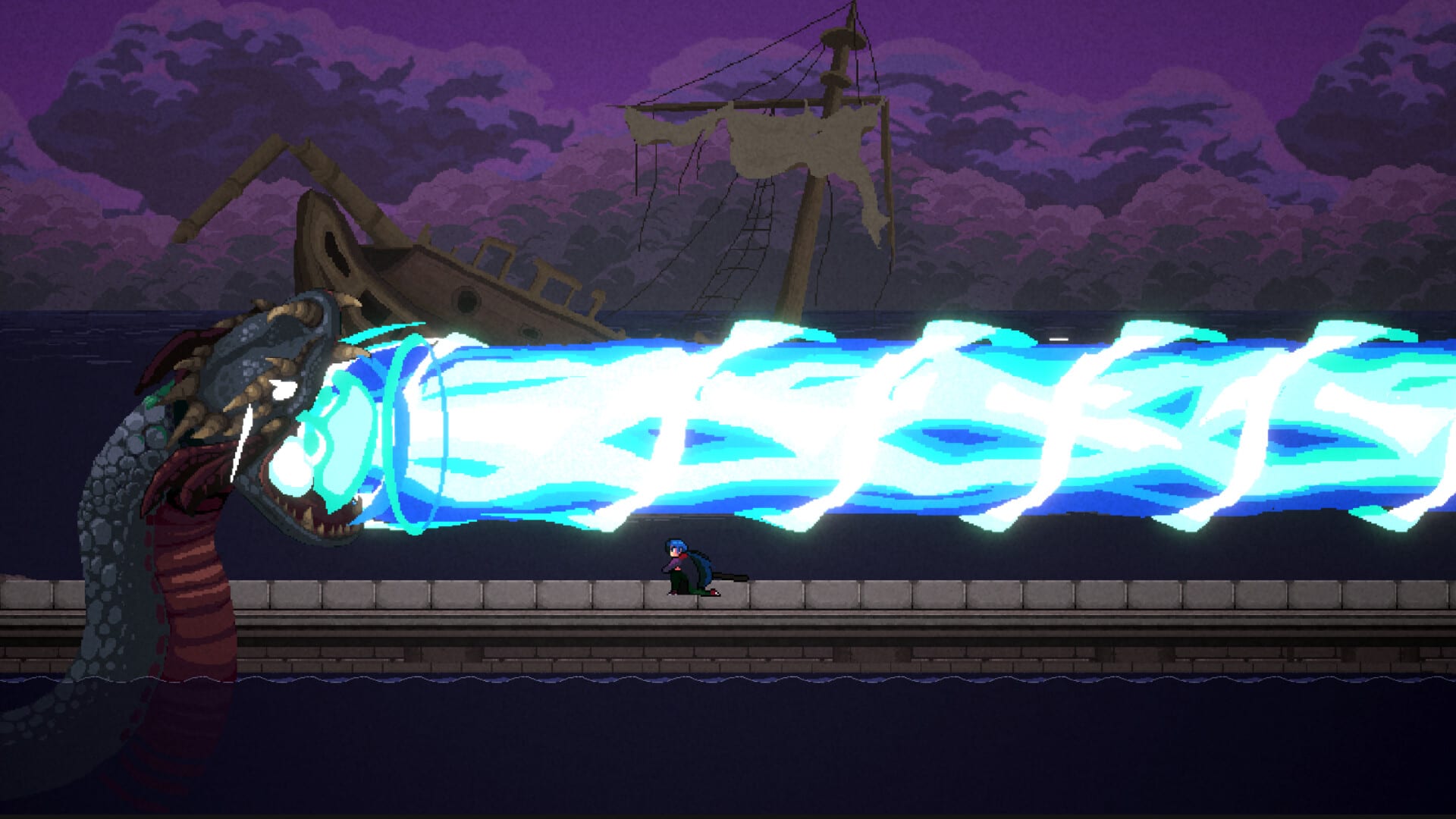
Fight overview
Melog is one of Infinitevania’s major boss milestones. Like other peak encounters in the game, the fight rewards observation over button-mashing: learn the telegraph, survive the arena hazard, then punish. Melog marks a midgame jump where incomplete builds start to feel painful.
Preparation
- Update your Nilbog shop passives for survivability.
- Equip spirits that match the arena—see spirit tier ideas.
- Refresh movement tech from combat basics, especially back dash and pogo.
- If you are underpowered, return to collectible routes for fragments and artifacts.
Ensure Nilbog passives and spirit slots are not neglected. Revisit map secrets if you are under-resourced.
Phase structure and punish windows
Identify Melog’s safest recovery animation and assign a two-hit punish limit. Midphase often mixes mobility with area denial—dash through, do not tank.
Watch for repeated animations. Infinitevania bosses often recycle a safe punish after a heavy slam, dive, or projectile volley. Take two hits of damage, not five. Reset to neutral with back dash whenever the screen fills with hazard.
Common failures
Arriving with empty spirit slots; ignoring heal timing; treating Melog like Tenroh’s slower patterns.
Rewards and next steps
Defeating Melog advances story power through the absorb fantasy and opens previously blocked routes. Mark the kill in the completion checklist, then decide whether to push the next boss or clean nearby secret walls.
Sibling guides: Tenroh, Queen Wasps, Melog, Galegrim, Kairuz, Etrom, and the Elder. For campaign routing after bosses, return to the guides hub or endings explained.
Victory should fund a shop spree and a route toward Galegrim.
Extended fight craft for Melog in Infinitevania
Before the door, spend two minutes in a nearby room practicing the exact movement you expect to need: short hop attacks, dash-outs after two hits, and camera awareness when projectiles fill the screen. Infinitevania bosses punish players who only practiced on open floors.
During the fight, narrate out loud (or in your head) what the boss is doing: “wind-up,” “safe,” “punish,” “reposition.” That tiny habit prevents autopilot greed. If you die, write one concrete mistake—not “I suck,” but “I healed in the corner during the dive.” Then buy or equip the counter before you retry.
After victory, loot the perimeter, check for newly opened paths, and mark the kill in the completion checklist. Many players rush the next gate and miss a spirit or fragment sitting one screen away. Absorb the power fantasy, then be a cartographer for five minutes.
If the boss still feels unfair after three informed attempts, leave. Infinitevania’s shop and spirit systems exist so that walls can soften. Come back with one more passive, one better spirit role, or simply fresher focus. Persistence without adaptation is just repetition.
Session planning that actually sticks
A strong Infinitevania session has three beats: a shop or spirit adjustment, a focused exploration loop, and one intentional boss or arena attempt. Players who only sprint the critical path burn out on retries; players who only vacuum side rooms stall on story gates. Alternate every thirty to forty minutes.
Keep a short written list of unfinished rooms. When a new absorb lands, do not immediately dive into the newest biome—spend a lap revisiting two older hubs. That habit alone recovers secret walls, diaries, and Ancient Heart Fragments you would otherwise discover in a miserable endgame cleanup.
Linking systems instead of grinding blindly
Souls, spirits, and map percentage are not separate games. Souls fund Nilbog. Nilbog funds survivability. Survivability funds learning. Learning funds boss clears. Boss clears fund absorbs and shortcuts. Shortcuts fund collectibles. If any link in that chain is ignored, the next boss feels artificially hard.
Use the wiki hubs as a circuit: after a death streak, open combat basics or the relevant boss page; after a successful clear, open map and items pages; before the finale, open endings explained and the completion checklist. Treat guides as tools, not novels you must finish in one sitting.
Controller, keyboard, and comfort
Infinitevania’s combat demands clean dash timing. If your hands tense up, remapping is not “cheating”—it is accessibility. Confirm jump and dash sit on comfortable inputs, then practice twenty back dashes and a short pogo chain in a safe room. Most “impossible” early rooms become readable once inputs stop fighting you.
What “ready” means before a boss door
You are ready when you can leave a dense trash room without panic healing, when you have visited Nilbog at least once since your last major unlock, and when you know which spirit role you are missing. You are not ready merely because you reached the door. Infinitevania respects preparation more than bravado.
Community footage versus wiki text
Trailers and no-commentary walkthroughs show pacing and arena shapes. Wiki pages name systems, achievements, and decision points. Use both: watch for visual memory, read for checklist clarity. Never invent mechanics that footage does not support—stick to Steam-confirmed systems like spirits, Nilbog, secret walls, dual endings, and the listed bosses.
Closing mindset
Infinitevania is a Brazilian metroidvania with sharp teeth and a generous absorb fantasy. Play curious, shop often, and treat every blocked ledge as a promise. Return to this page’s sibling links whenever you feel stuck; the answer is usually one unlock, one purchase, or one cleaner punish window away.
Frequently Asked Questions
Quick answers to the most common questions.
When do I fight Melog?
After early bosses and once midgame regions open—exact order can vary with exploration.
What build helps?
Balanced survivability plus a spirit that improves clear or burst—see recommended builds.
Is Melog skippable?
Boss achievements and absorb progression expect you to defeat Melog on a normal clear.