Infinitevania Recommended Builds
Practical loadouts by stage—not theorycraft for its own sake.
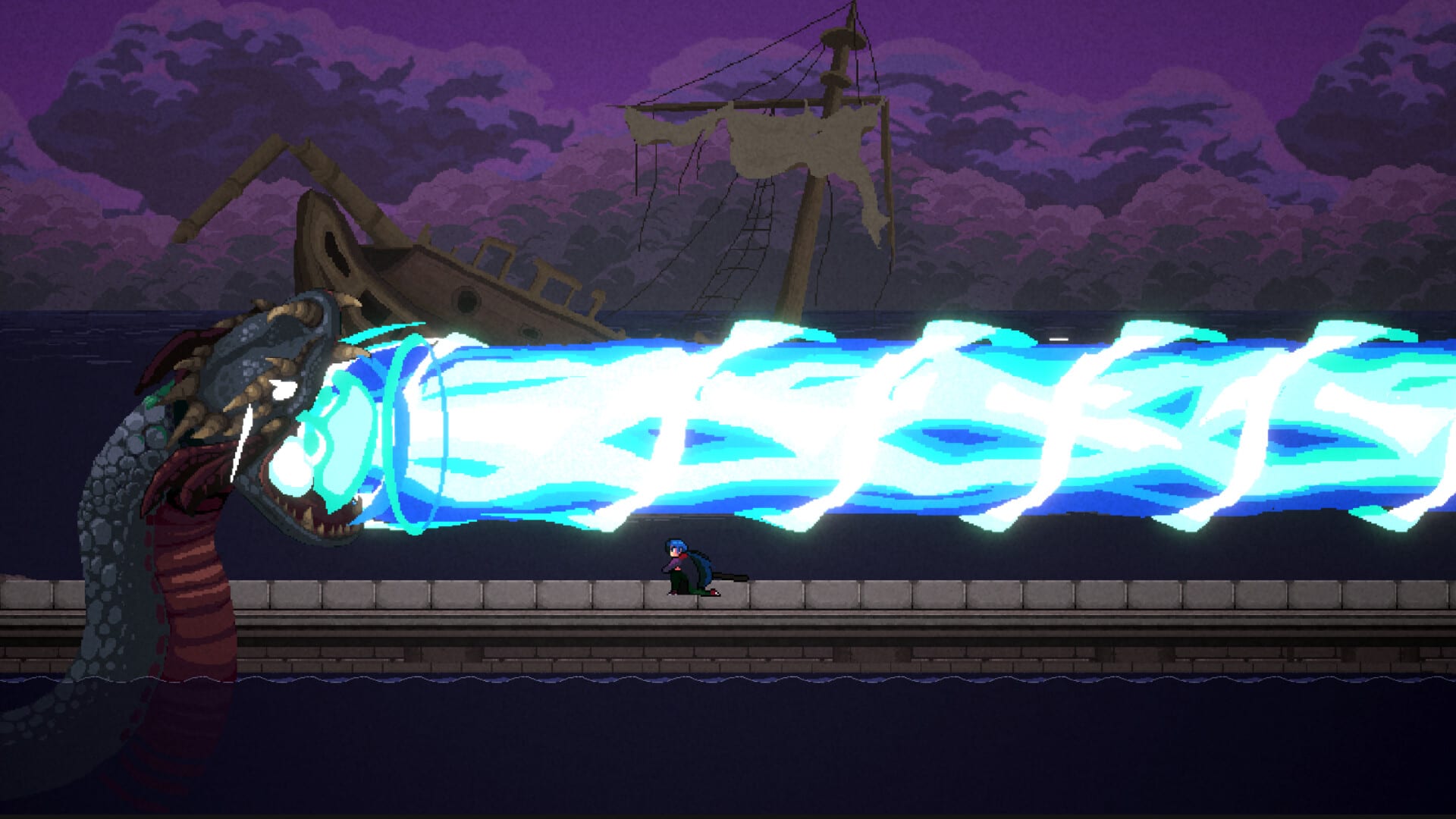
These recommended builds are templates. Swap spirits when a region demands it, and always keep Nilbog passives current.
Build A — Safe pioneer (hours 1–4)
Goal: learn the game without rage quits.
Spirits: survival first, mobility second.
Shop: defense and quality-of-life.
Boss fit: Tenroh, early Queen Wasps.
Play pattern: short combos, frequent back dash, leave bad rooms.
Build B — Arena clearer (midgame)
Goal: multi-target rooms and wasp-style chaos.
Spirits: clear tools + one panic button.
Shop: mixed damage and sustain.
Also helps: arena achievements and object-break farming for resources.
Build C — Boss duelist (late)
Goal: single-target punish discipline for Kairuz, Etrom, Elder.
Spirits: burst + defense; drop pure exploration tools once map is open.
Shop: finalize remaining high-value nodes.
Play pattern: one punish per opening, no greed.
Build D — Cartographer
Goal: 100% map and secret walls.
Spirits: traversal and detection-style utility when available.
Pair with collectible routes and the checklist tool.
How to transition between builds
Infinitevania lets you respec your approach by swapping spirits even when shop purchases are permanent. When you finish a cartographer sweep, swap back to duelist before the Elder. Read endings explained so your final loadout matches the ending you want.
Sample session plan
- Shop
- Run a collectible loop
- Attempt one boss with a focused build
- Re-shop
- Mark progress in tools
Builds are not identity prisons—they are session plans. Update them whenever a new spirit drops.
Build iteration loop
A build is a hypothesis. Equip a spirit set, fight two rooms and one elite, then ask whether you died to damage, to clutter, or to missing mobility. Change only one variable at a time—spirit swap or shop purchase—so you know what helped. Players who reroll everything after a single death never learn which piece mattered.
Midgame is when specialization pays off. If you love aggressive melee, fund the passives that keep you alive in the pocket. If you prefer poke-and-dash, fund tools that punish long recoveries. The spirits tier list on this wiki ranks roles, not fashion; ignore S-tier labels when your next boss asks for a different answer.
Late game, fill every spirit slot even if one slot is “comfort.” Empty slots are wasted achievement progress and wasted optionality for the Elder. Keep a cartographer loadout and a duelist loadout in mind so you can swap when your goal changes from percentage cleanup to finale clarity.
Session planning that actually sticks
A strong Infinitevania session has three beats: a shop or spirit adjustment, a focused exploration loop, and one intentional boss or arena attempt. Players who only sprint the critical path burn out on retries; players who only vacuum side rooms stall on story gates. Alternate every thirty to forty minutes.
Keep a short written list of unfinished rooms. When a new absorb lands, do not immediately dive into the newest biome—spend a lap revisiting two older hubs. That habit alone recovers secret walls, diaries, and Ancient Heart Fragments you would otherwise discover in a miserable endgame cleanup.
Linking systems instead of grinding blindly
Souls, spirits, and map percentage are not separate games. Souls fund Nilbog. Nilbog funds survivability. Survivability funds learning. Learning funds boss clears. Boss clears fund absorbs and shortcuts. Shortcuts fund collectibles. If any link in that chain is ignored, the next boss feels artificially hard.
Use the wiki hubs as a circuit: after a death streak, open combat basics or the relevant boss page; after a successful clear, open map and items pages; before the finale, open endings explained and the completion checklist. Treat guides as tools, not novels you must finish in one sitting.
Controller, keyboard, and comfort
Infinitevania’s combat demands clean dash timing. If your hands tense up, remapping is not “cheating”—it is accessibility. Confirm jump and dash sit on comfortable inputs, then practice twenty back dashes and a short pogo chain in a safe room. Most “impossible” early rooms become readable once inputs stop fighting you.
What “ready” means before a boss door
You are ready when you can leave a dense trash room without panic healing, when you have visited Nilbog at least once since your last major unlock, and when you know which spirit role you are missing. You are not ready merely because you reached the door. Infinitevania respects preparation more than bravado.
Community footage versus wiki text
Trailers and no-commentary walkthroughs show pacing and arena shapes. Wiki pages name systems, achievements, and decision points. Use both: watch for visual memory, read for checklist clarity. Never invent mechanics that footage does not support—stick to Steam-confirmed systems like spirits, Nilbog, secret walls, dual endings, and the listed bosses.
Closing mindset
Infinitevania is a Brazilian metroidvania with sharp teeth and a generous absorb fantasy. Play curious, shop often, and treat every blocked ledge as a promise. Return to this page’s sibling links whenever you feel stuck; the answer is usually one unlock, one purchase, or one cleaner punish window away.
Frequently Asked Questions
Quick answers to the most common questions.
Can I beat the game with Build A only?
Possibly, but late bosses are smoother with a duelist-oriented swap.
Do builds require specific DLC?
No. These assume the base Steam release.
Where do I learn the mechanics behind builds?
Combat basics, spirits tier list, and Nilbog shop guides.